Serhiy Prytula Charity Foundation Holds the IV Ukrainian Tactical Medicine Forum
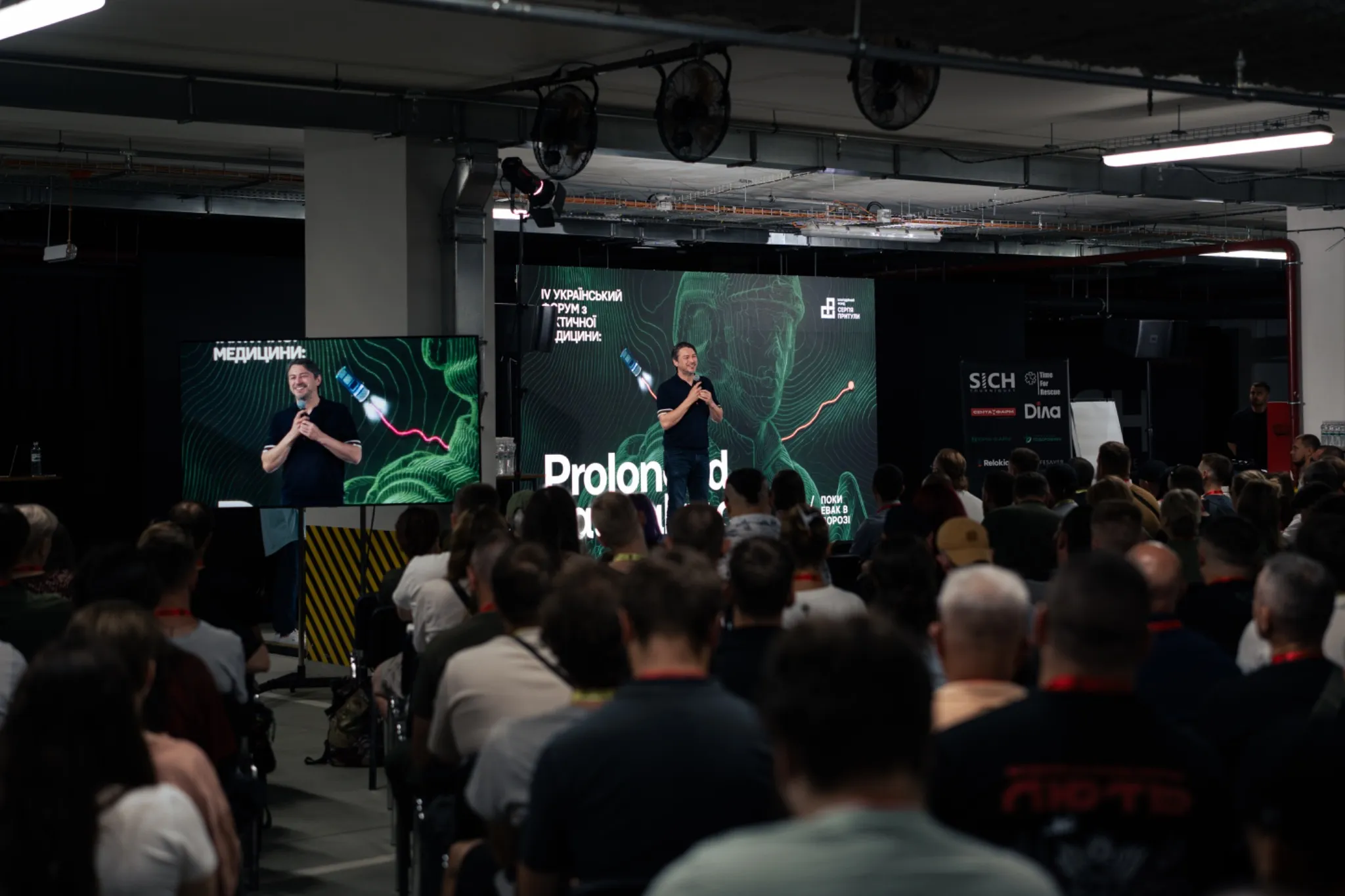
The IV Ukrainian Tactical Medicine Forum brought together 350 participants from across Ukraine, including combat medics, physicians, instructors, and heads of medical services.
The main topic of this year’s forum was Prolonged Casualty Care. Due to massed attacks and the widespread use of FPV drones, casualty evacuation is increasingly delayed for hours and, in some cases, days. According to data from the 3rd Army Corps, 43% of wounded service members wait approximately 24 hours for evacuation.
One of the central topics of the forum was telemedicine as a tool for supporting service members who remain with casualties at frontline positions. Participants focused on three key areas:
- implementing telemedicine as a structured system of remote medical support;
- approaches to selecting and training telemedicine operators;
- integrating selected medical skills into personnel training that can be performed under the remote supervision of a medical duty officer.
The programme covered the full casualty care pathway in prolonged care conditions, from the first hours after injury through evacuation and specialised treatment. Speakers addressed care during delayed evacuation, wound management, sepsis prevention, antibiotic use, nursing care, training for telemedicine operators, and Combat Lifesaver training.
Representatives of the 3rd Army Corps Tactical Medicine Group, military surgeons, combat medics, instructors, and civilian physicians shared their experience. Particular attention was given to real cases of telemedicine being used during combat operations.
We are fighting an enemy with more money, more personnel, and more weapons. Standing against such an opponent is extremely difficult, and if we are to ultimately prevail, we have to learn faster. We cannot simply keep pace. We need to stay several steps ahead.
The IV Ukrainian Tactical Medicine Forum became a platform where combat medics, military physicians, and instructors could exchange practical experience gained on the battlefield, helping adapt casualty care to the changing conditions of war and improve the chances of wounded service members surviving until evacuation.