Professional events

Tactical medicine doesn’t end with MARCH. We’re talking about what comes next.

38
events held
3,972
participants

The technologies and challenges of modern warfare are evolving faster than protocols can be updated. Basic training provides an algorithm for action in the first minutes after injury. Our events address a broader range of issues: from changes and decision-making in prolonged casualty care to instructor training, as well as the collection and implementation of operational experience.

Some of these issues are covered in international guidelines, although often for conditions that differ significantly from ours: other resources, other logistics, and other capacities for training care providers. Some topics are so new that the available knowledge still exists primarily in the practical experience of individual units. These are precisely the issues we bring into open professional discussion at our events.

Impact

Participants leave the event better equipped with knowledge and tools they can put into practice immediately.

Relevance

The topics of our events emerge directly from the needs of the community and the challenges it is facing right now.

Community

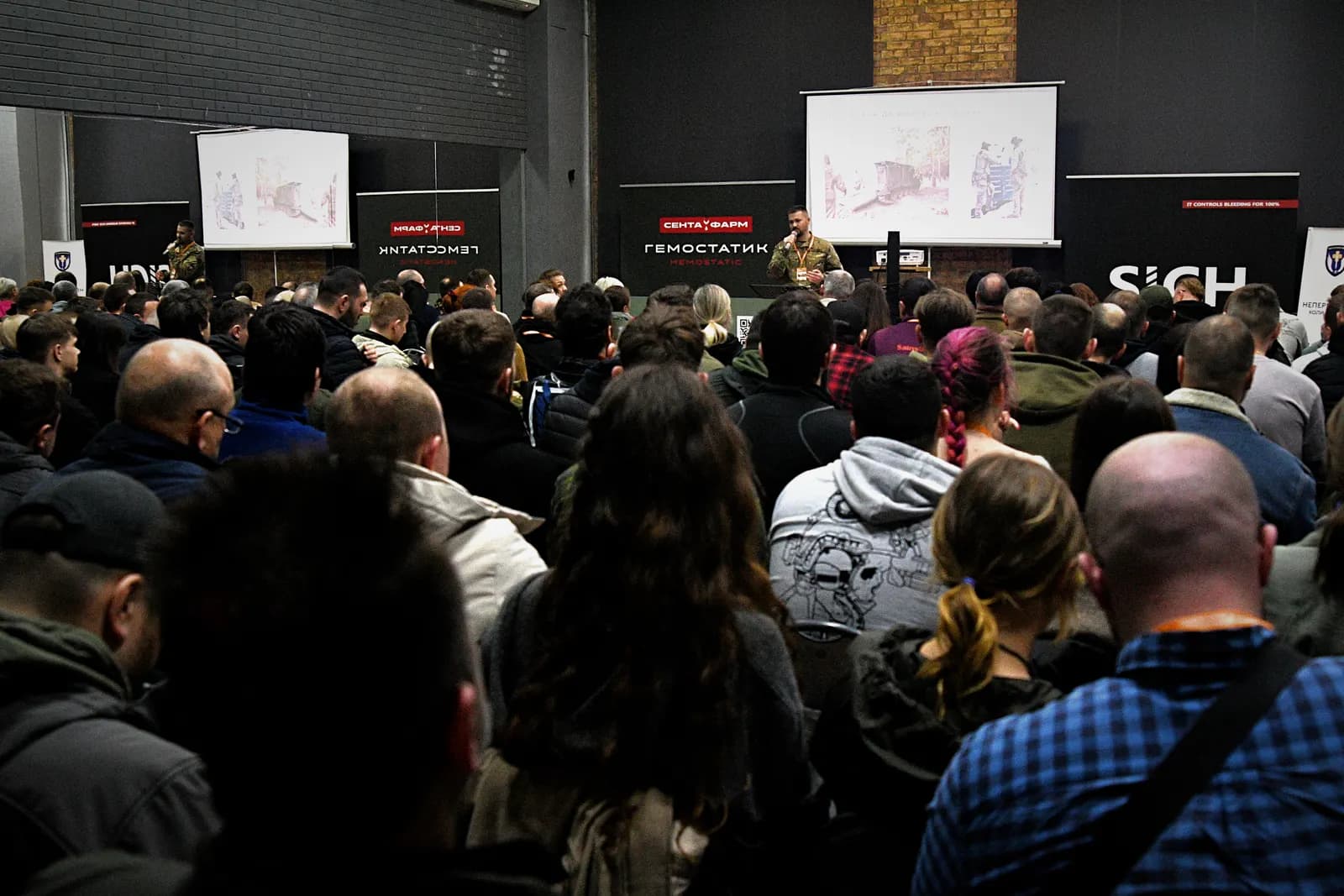
We create a space for experience sharing through dialogue. Our event format is built around horizontal communication between participants, not only presentations from the stage. Many professional connections and practical solutions emerge through these discussions.

29 June 2026Kyiv350 participants

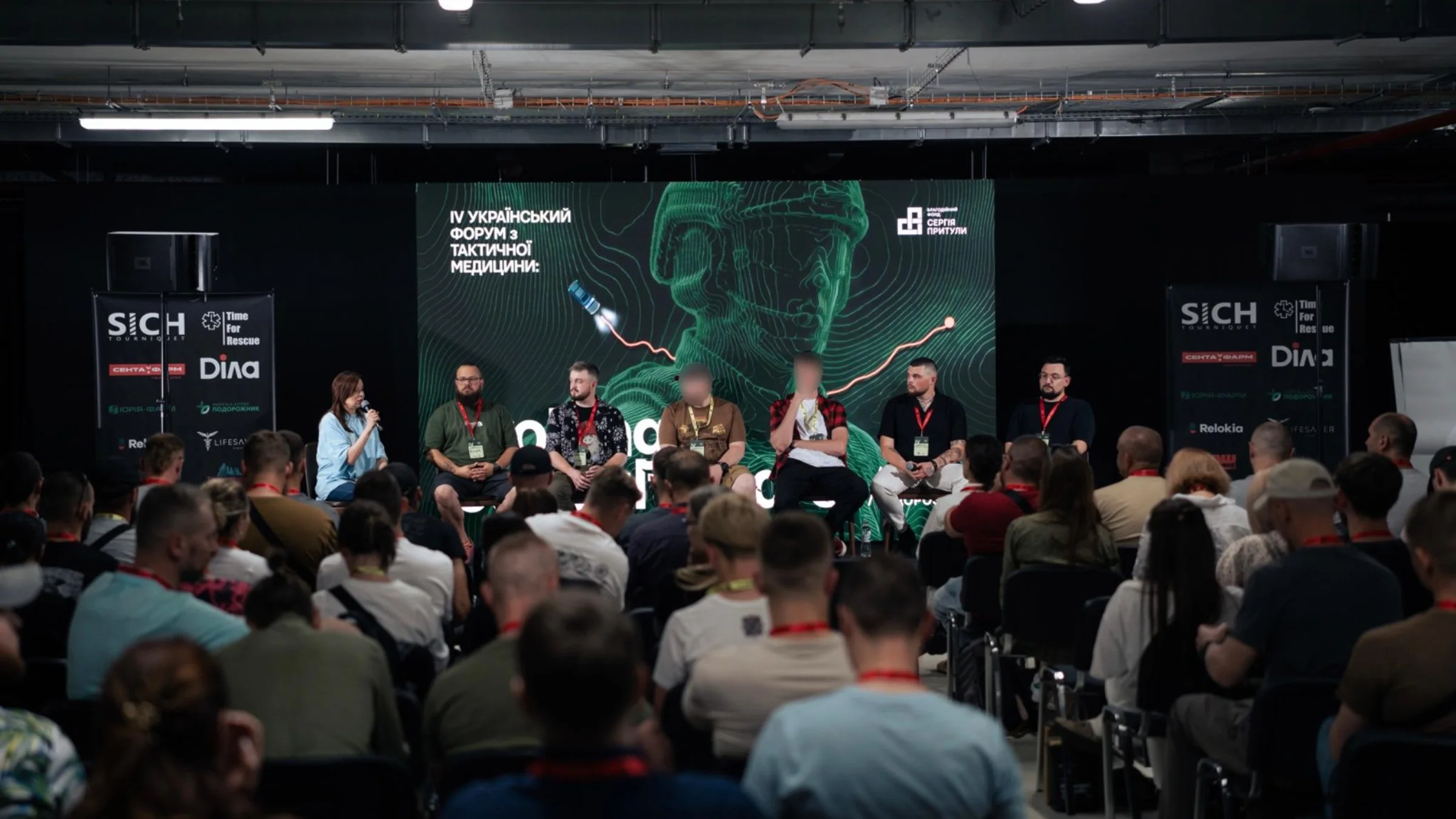
IV Ukrainian Tactical Medicine Forum: Prolonged Casualty Care

The Forum focused on the care of wounded service members in situations where evacuation is significantly delayed. The central topic was telemedicine as a tool for providing remote medical support to those who remain with a casualty while awaiting evacuation.

Read more

According to data from the 3rd Army Corps, around 43% of wounded service members wait approximately 24 hours for evacuation. In some sectors of the frontline, this period can extend to several days or longer.

This fundamentally changes the nature of casualty care. Even a casualty who has initially been stabilised may, over time, develop a new and more complex set of medical risks. In a tactical environment, even a relatively minor injury can become life-threatening within several days if proper care is not provided. During this period, ongoing care is often provided not by a medical professional, but by a fellow service member who remains alongside the casualty.
Forum website

Other events

Ongoing since April 2023

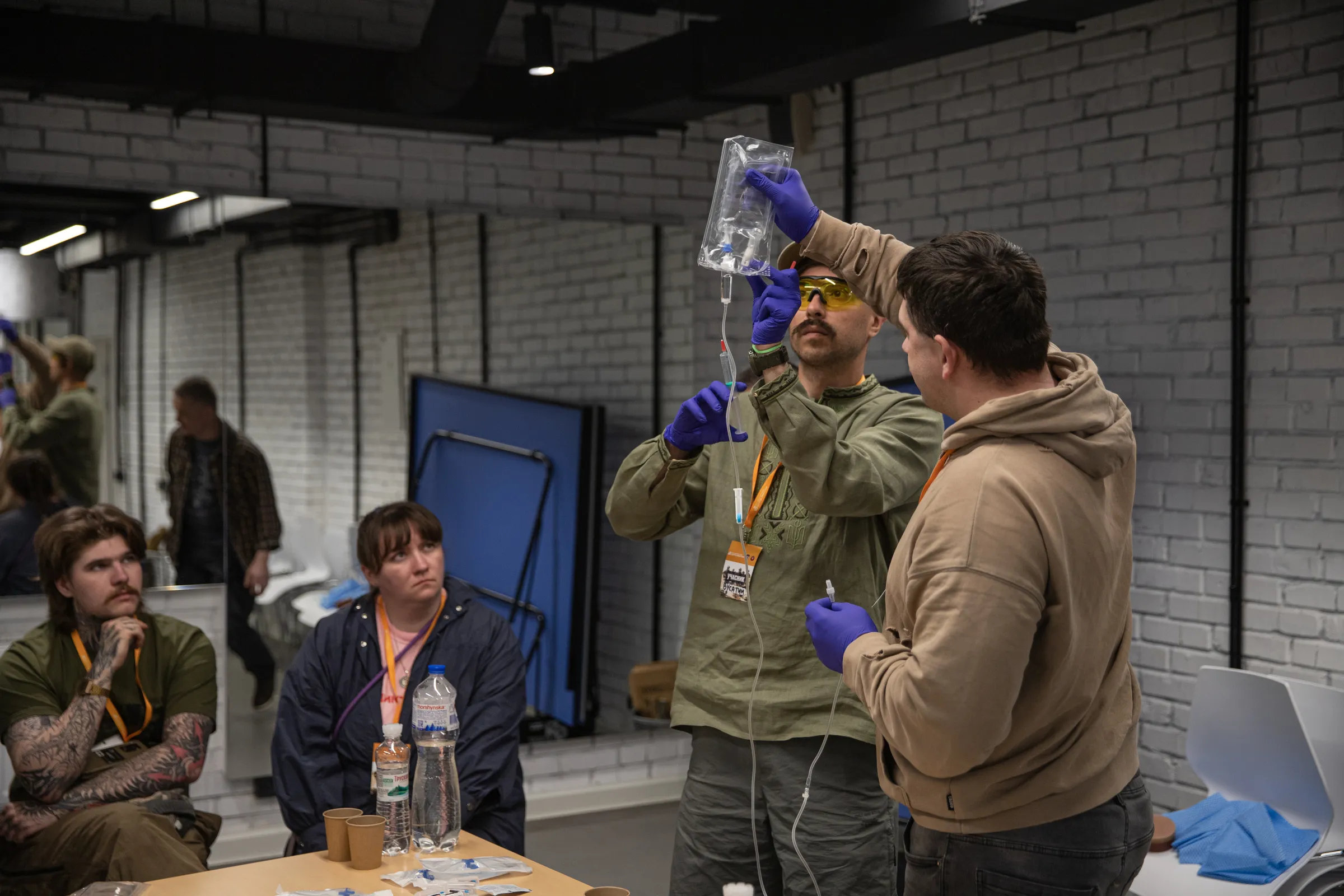
Intraosseous Access and TXA Administration Training

The Tactical Medicine Department of the Serhiy Prytula Charity Foundation, together with the Irish-Ukrainian team of the Ukraine Trauma Project at the Centre for Emergency Medical Science, University College Dublin, regularly conducts training sessions in Kyiv on intraosseous access and the administration of tranexamic acid (TXA) in cases of massive haemorrhage.

Across seven training series, more than 650 combat medics, medical instructors, paramedics, physicians, and medical educators have completed the training. Participants have included representatives of Azov, the Hospitallers, Special Operations Centre “A”, the Special Operations Forces, the Marine Corps, the National Guard of Ukraine, the Territorial Defence Forces, the Unmanned Systems Forces, as well as assault and mechanised units.

prytulafoundation.org prytulafoundation.org youtube.com irishtimes.com

21 February 2026

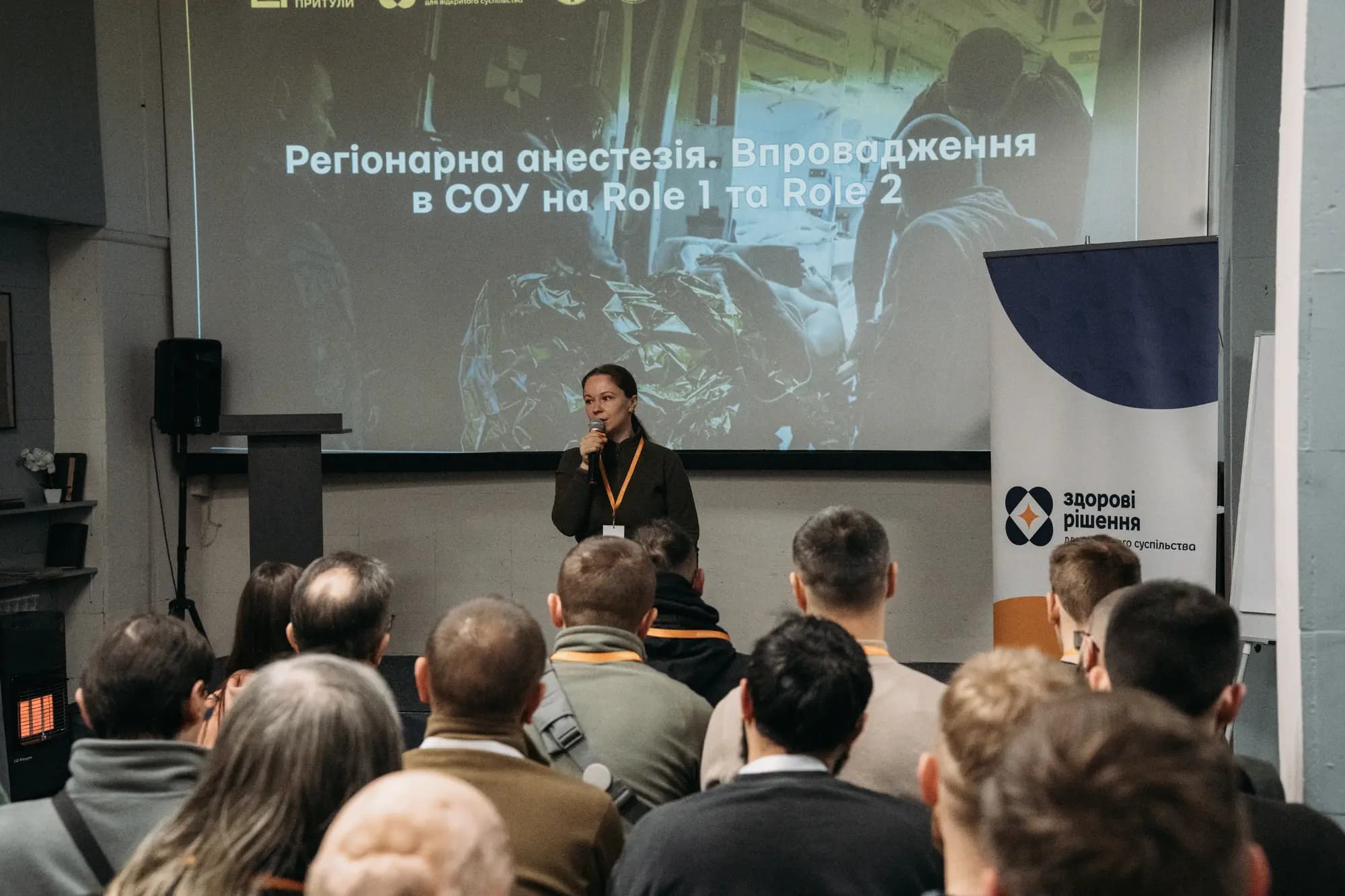
Regional Anaesthesia: Implementation in the Armed Forces of Ukraine at Role 1 and Role 2

Experts from the Lessons Learned and Implementation Program of the Serhiy Prytula Charity Foundation studied the use of regional anaesthesia at stabilisation points and forward surgical teams, based on observations from the 4th Medical Battalion of the 3rd Army Corps. Following this work, the team prepared an analytical report.

During the event, the team presented the key findings of the study and the current status of updates to pain management guidelines. As part of a panel discussion, participants explored practical steps toward the wider implementation of regional anaesthesia at stabilisation points and within forward surgical teams.

prytulafoundation.org

15 December 2025

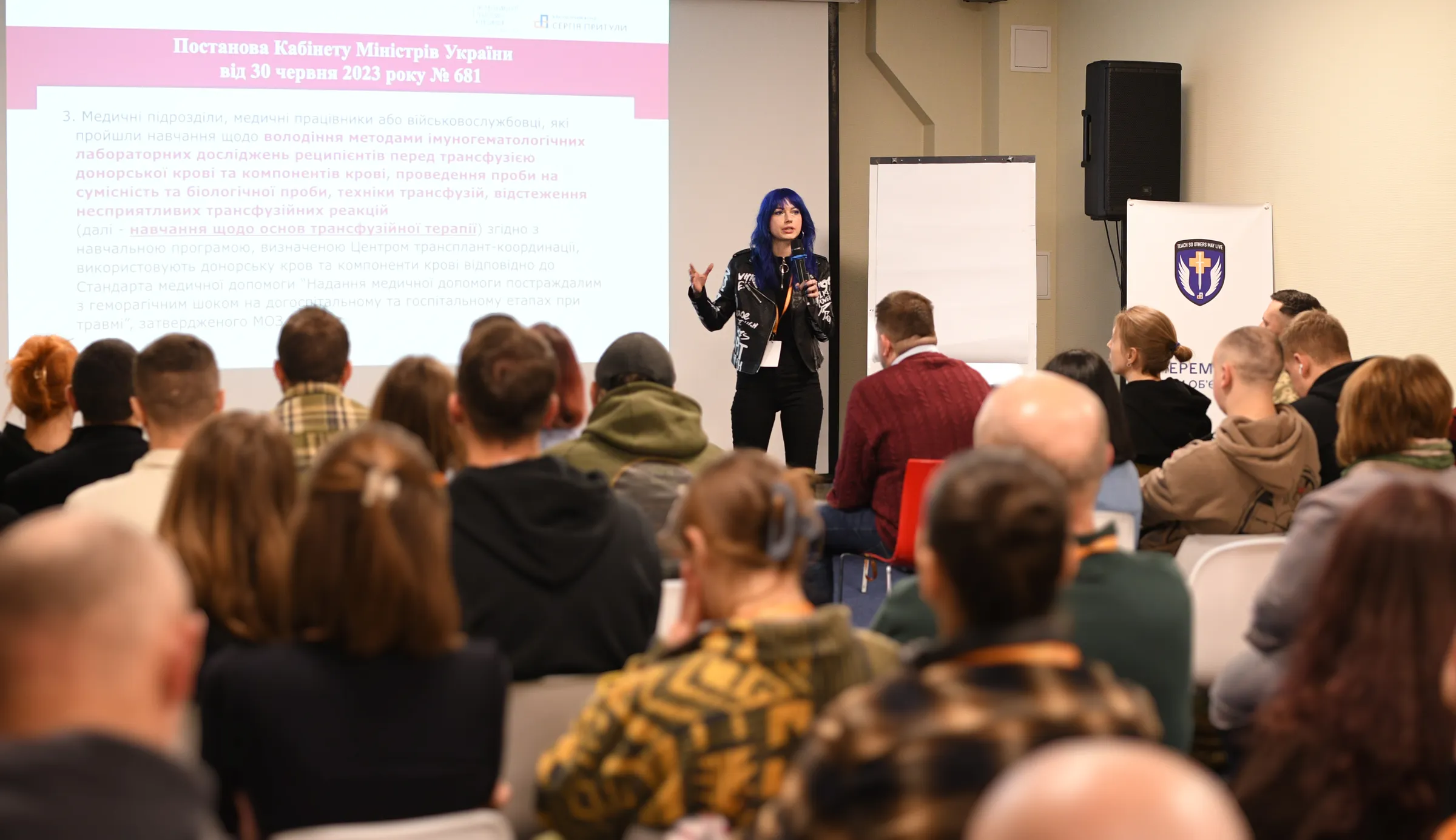
Blood: System. Experience. Outlook.

With the support of the Ukrainian Transplant Coordination Center, the team organised the seminar “Blood: System. Experience. Outlook.”, dedicated to the challenges and opportunities of pre-hospital blood transfusion.

Participants discussed practical cases, the legal framework and medical standards, equipment and logistics, personnel training, donor culture, and infection control. The seminar provided a platform for exchanging experience among military medical professionals, instructors, blood service representatives, and policymakers.

3–4 November 2025

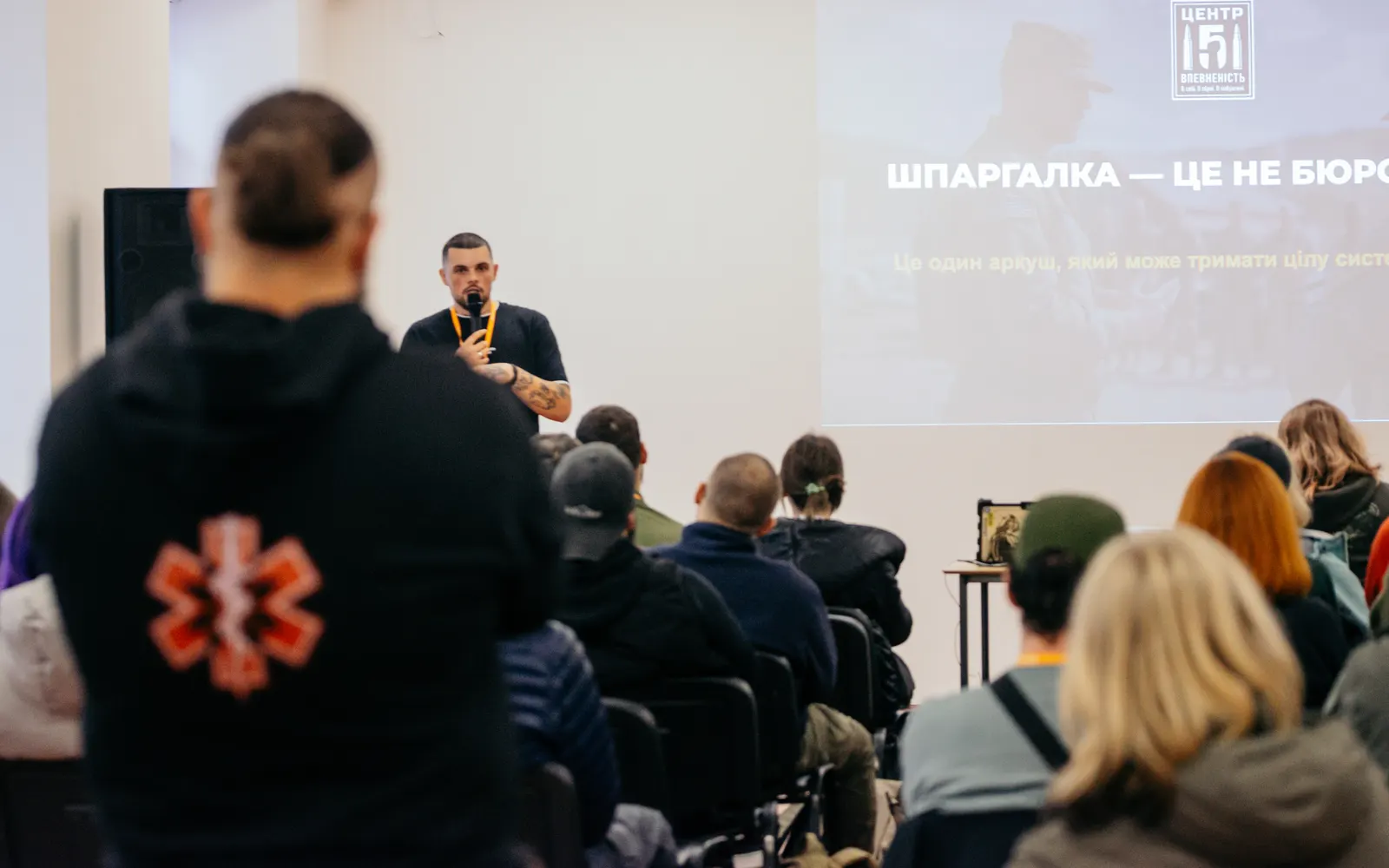
“Instructor Skills” Training

The quality of tactical medicine training for military personnel depends to a large extent on how military instructors teach. For this reason, we conducted “Instructor Skills” training for 100 instructors, educators, and medical personnel from combat units involved in training service members.

Participants worked on teaching ethics and methodology, different feedback formats, and approaches designed to maintain a consistent training standard regardless of the instructor or training location.

prytulafoundation.org prytulafoundation.org prytulafoundation.org

19 August 2025

III Ukrainian Tactical Medicine Forum: “Lessons Learned in Tactical Medicine: Collecting, Analysing and Implementing Experience”

The third Ukrainian Tactical Medicine Forum focused on the Lessons Learned process and the practical implementation of experience.

Participants discussed how to systematically collect and analyse cases of frontline medical care, and how an individual case at the tactical level can become a catalyst for change across the wider system. Experience that is not turned into a lesson learned becomes a missed opportunity.

armyinform.com.ua azov.care

7 April 2025

“Casualty Evacuation” Seminar

In spring 2025, the Tactical Medicine Department of the Serhiy Prytula Charity Foundation brought together 160 combat medics and heads of medical services in Kyiv for the “Casualty Evacuation” seminar.

The programme covered evacuation planning, medical reconnaissance, casualty estimation, evacuation timelines, and safety arrangements. Particular attention was given to the use of drones in the work of combat medics, the transportation of polytrauma patients, and the equipment required for CASEVAC and MEDEVAC. Participants also shared practical frontline cases and discussed operational lessons from their own experience.

prytulafoundation.org

6 July 2024

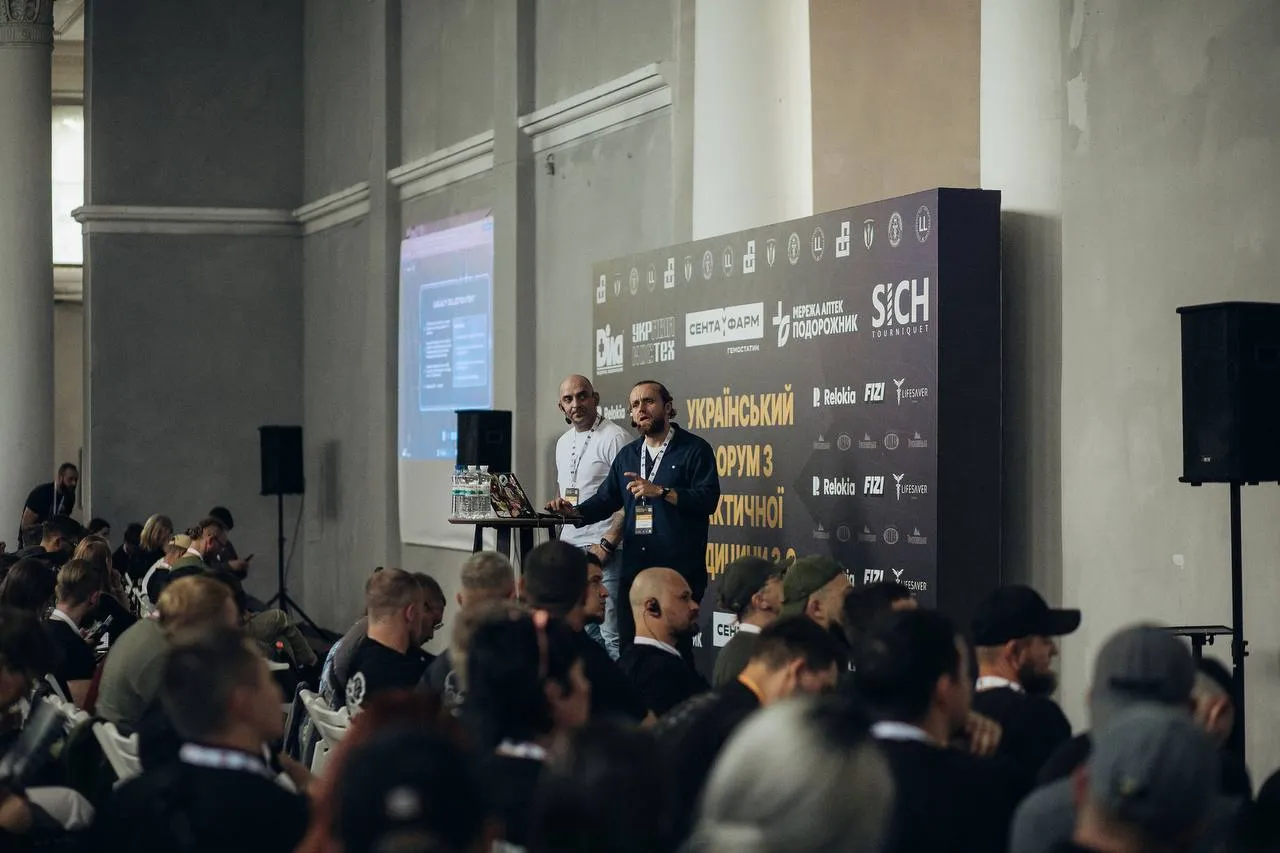
II Ukrainian Tactical Medicine Forum

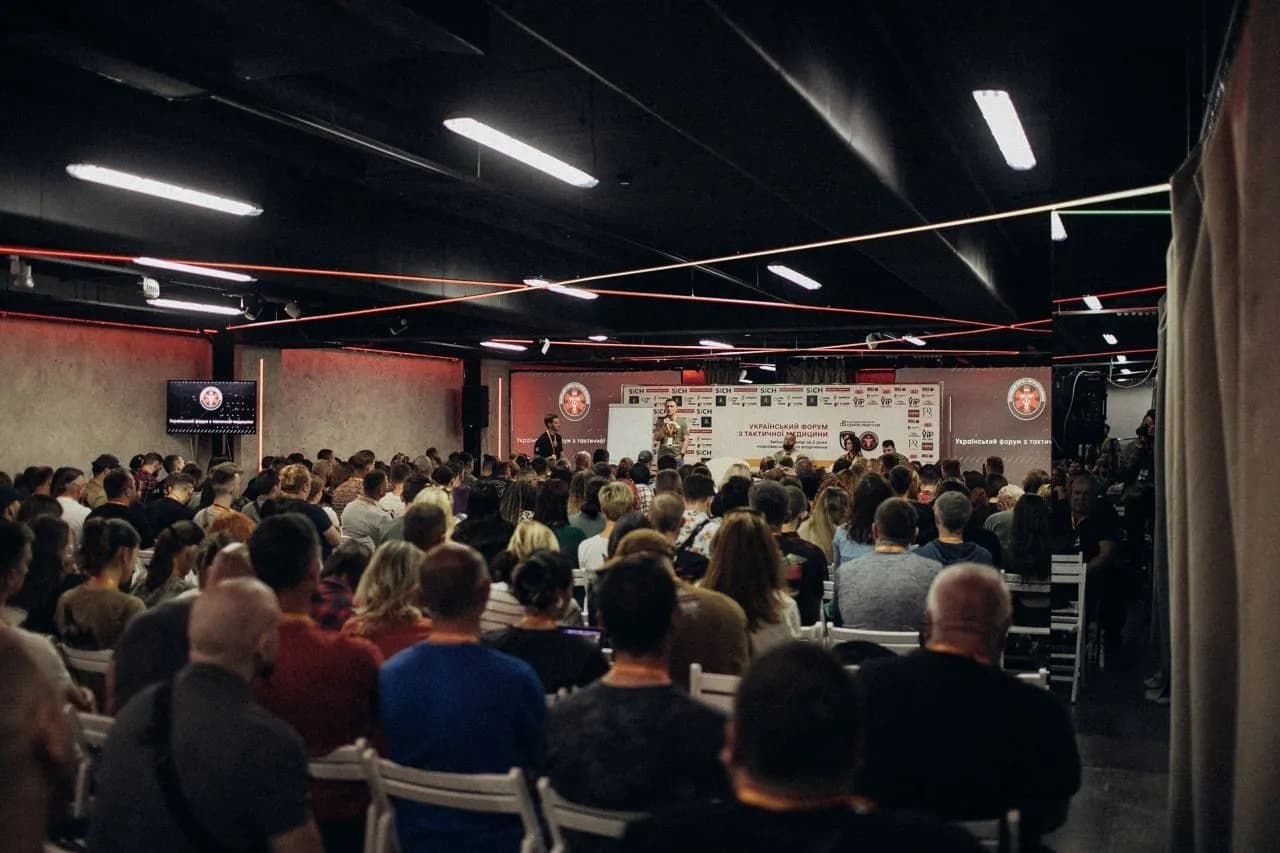
The second Ukrainian Tactical Medicine Forum, organised by the Serhiy Prytula Charity Foundation, brought together around 500 combat medics, instructors, and volunteers in Kyiv. The main focus was how tactical medicine had evolved during the first two years of the full-scale war.

Fourteen speakers, including Denys Surkov, Vlad Chumachenko, and Oleksii Mykhailov, discussed pre-hospital care, updates to the TCCC guidelines, experience from combat units, medical personnel training, and cooperation between volunteers and the military.

prytulafoundation.org sich.ua

20 April 2023

I Ukrainian Tactical Medicine Forum

On 20 April 2023, the Serhiy Prytula Charity Foundation held the first Ukrainian Tactical Medicine Forum. It brought together 300 combat medics, heads of medical services, instructors, volunteer medics, and military physicians for professional discussion and the exchange of experience.

Participants discussed casualty evacuation and pharmacology, the standardisation of training approaches in line with TCCC guidelines, as well as standards for the training and competency assessment of tactical medicine instructors.

The event became the first in a series of forums and professional seminars organised by the Tactical Medicine Department. Feedback from participants confirmed the need for regular professional platforms where specialists can exchange practical experience and work together on the development of tactical medicine in Ukraine.

youtube.com